Roof Ventilation in Pea Ridge, AR
A hot or damp attic deserves more than a guess about adding vents. Roof ventilation in Pea Ridge should be considered alongside intake openings, insulation and moisture sources.
Roof ventilation for Pea Ridge homes
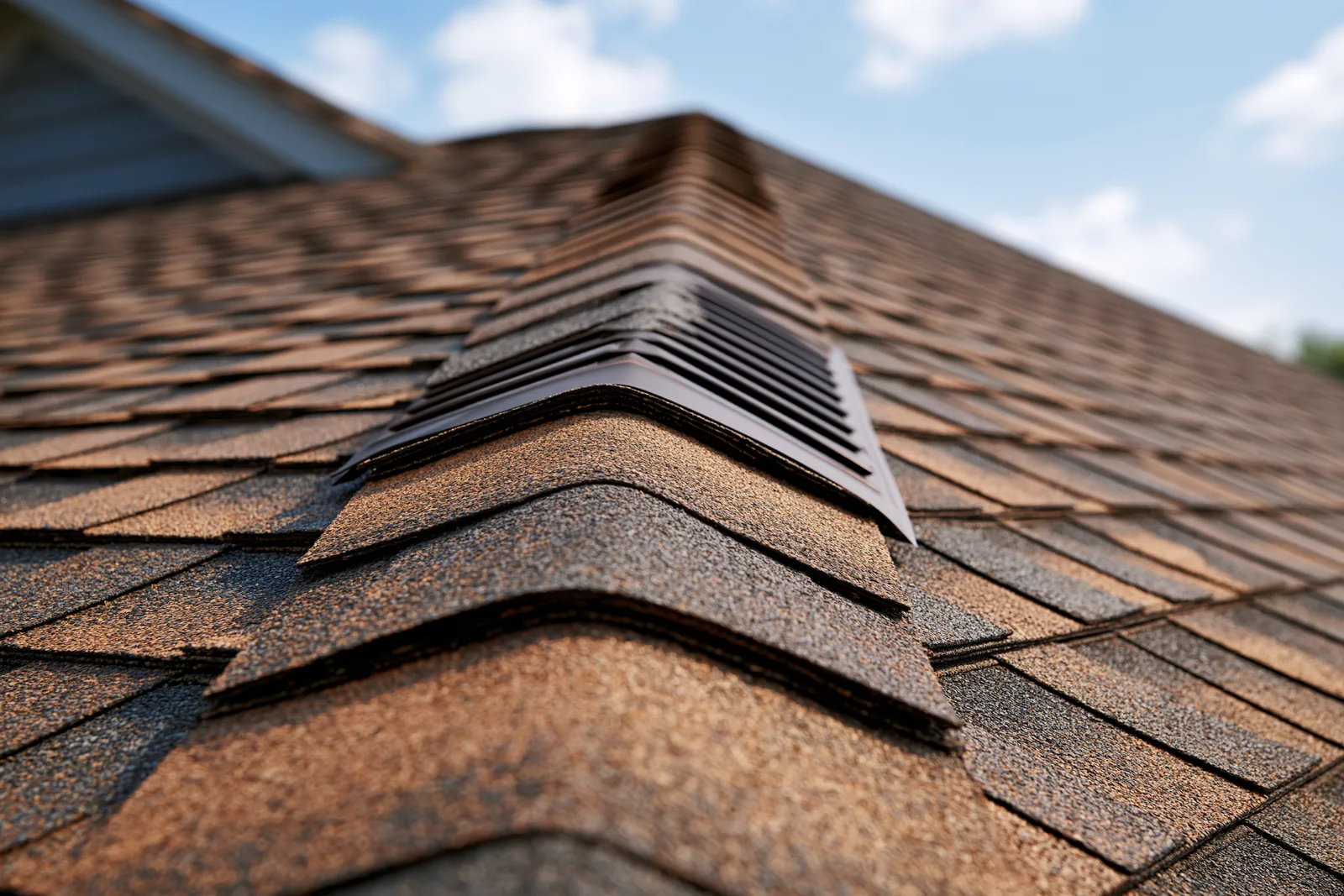
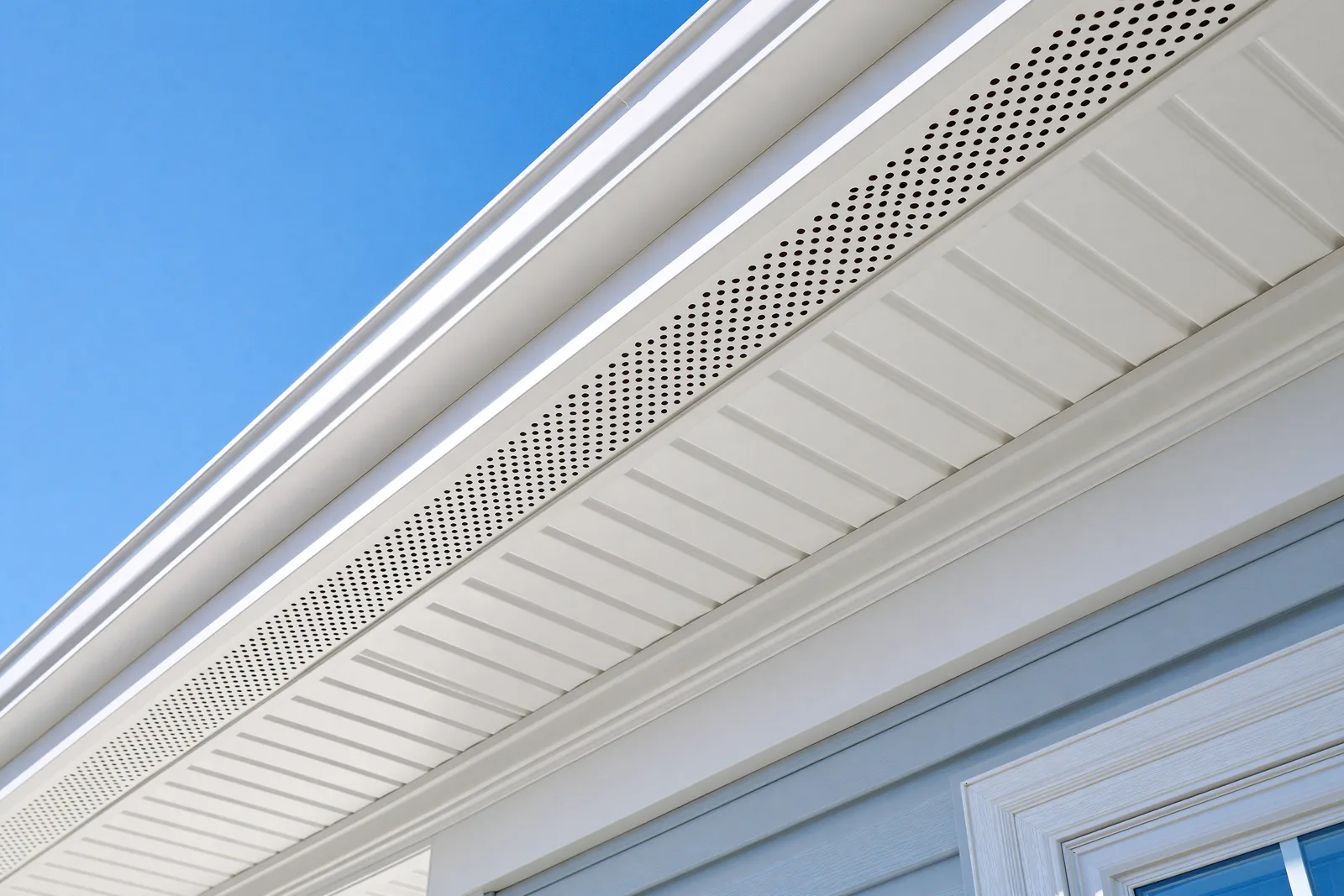
An exhaust vent near the roof ridge cannot work as intended if air cannot enter near the eaves. Insulation pushed over an intake can interrupt that path. The useful question is how air moves through the actual attic, not how many vents can fit on the roof.
Ventilation also does not fix every moisture source. A bathroom duct discharging into the attic, air leaking from the house or a roof leak can each add moisture that requires its own correction.
Roof leaks, attic condensation and excess heat
Water after a particular rain
The timing and location may help trace a roof opening or flashing problem. The inspection still needs to connect the ceiling symptom to its source.
Widespread dampness or condensation
Moist indoor air and cold roof surfaces can contribute to condensation. Ventilation, air sealing, insulation and duct termination may all matter.
Heat without visible moisture
Insulation levels, air movement, solar exposure and the roof assembly affect comfort. Adding a fan alone is not proof that the underlying issue has been solved.
Planning ventilation with a Pea Ridge roof replacement
A replacement is a useful time to review intake and exhaust together. Different exhaust types should not be combined without understanding how they affect airflow. Product instructions and the actual attic geometry need to guide the layout.
A roof inspection can start the roofing conversation. Electrical, HVAC and insulation work may require separate trades when the cause extends beyond roof details.
Attic ventilation scope and trade coordination
A vented attic needs a continuous air path.
Insulation baffles keep an intended soffit intake passage open where the attic narrows toward the eaves. More exhaust cannot draw air through a blocked passage. The correction depends on the obstruction and attic layout, rather than adding another opening wherever roof space is available.
An unvented attic uses a different insulation and air-control strategy. Adding a conventional ridge vent to that assembly is not automatically an improvement. The existing assembly needs to be identified before a roofing change alters it.
Roofing work addresses the vent openings and weatherproofing. Duct termination, air sealing, insulation and electrical work belong to their respective trades. A powered fan adds controls and electrical scope; it does not remove the need to address moisture entering from the house.
Pea Ridge Roof Ventilation FAQs
Will another roof vent cure condensation?
Not necessarily. Moisture entering from the living space or a poorly terminated exhaust duct can continue even with more ventilation. The source and airflow path need to be considered together.
Can blocked soffit vents affect the roof?
Blocked intake limits airflow through the attic. The cause may be paint, debris or insulation placement, and the right correction depends on what is blocking the opening.
Is an attic fan part of a roof replacement?
Only if it is specified. The roofing and electrical responsibilities, controls and compatibility with other vents should be clear before installation.
Discuss roof ventilation for your Pea Ridge home
Explain the heat, dampness or staining you have noticed. The next step can then focus on the right part of the system.