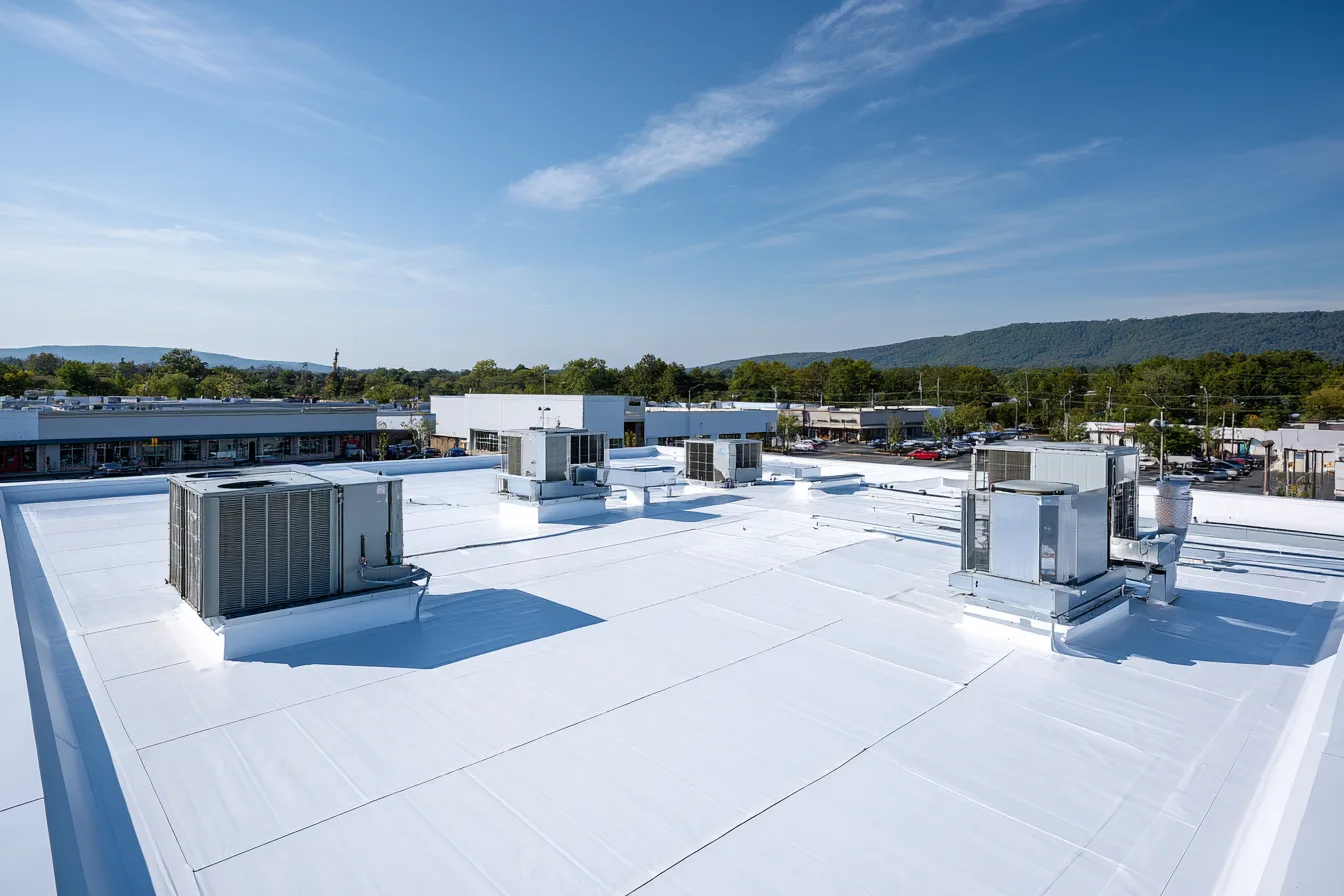
Commercial Roofing in Pea Ridge, AR
Keep the building in use while making a sound roof decision. Explore commercial roof repair, TPO roofing and restoration options for properties in Pea Ridge.
Commercial roof inspections in Pea Ridge
A commercial roof decision often begins with water above a work area, stock room or tenant space. The visible drip matters, but the roof assessment also needs to establish how the membrane, seams, insulation, deck and drainage are working together. Repairing one failed connection is different from renewing a wet or deteriorated assembly.
Bring the building into that first conversation. Where does water appear? Which rooms or equipment need protection? Who uses the entrances and when do deliveries arrive? Those details help turn a roof recommendation into work that can be planned around the property.
Request a free commercial roof inspection in Pea Ridge to discuss the concern and the available roofing options. When the condition below the surface is uncertain, further investigation may be needed before repair, restoration or replacement can be priced with a clear scope.
Commercial roof repair and replacement options in Pea Ridge
The right option depends on what can remain in place and what has failed. A lower initial price has little value if the proposed work leaves the source of the problem underneath it.
| Option | When it deserves consideration | What must be established |
|---|---|---|
| Localized repair | A defined puncture, seam or flashing defect with serviceable material around it. | The repair needs a compatible connection and a check for moisture below the visible defect. Repeated leaks at one curb deserve examination of that detail, not automatic coating of the whole roof. |
| Coating or restoration | A sound existing roof suitable for the specified restoration system. | Retained layers need to be dry and stable. Adhesion, drainage and earlier patch materials affect whether the coating can become a continuous protective surface. Preparation is part of the project, not an optional upgrade. |
| Replacement | Widespread deterioration, wet assembly or unsuitable existing layers. | Removal opens access to the deck and allows insulation and drainage corrections. A new top sheet alone will not correct saturated insulation, a deflecting deck or an outlet sitting above a low area. |
Commercial roof systems and services
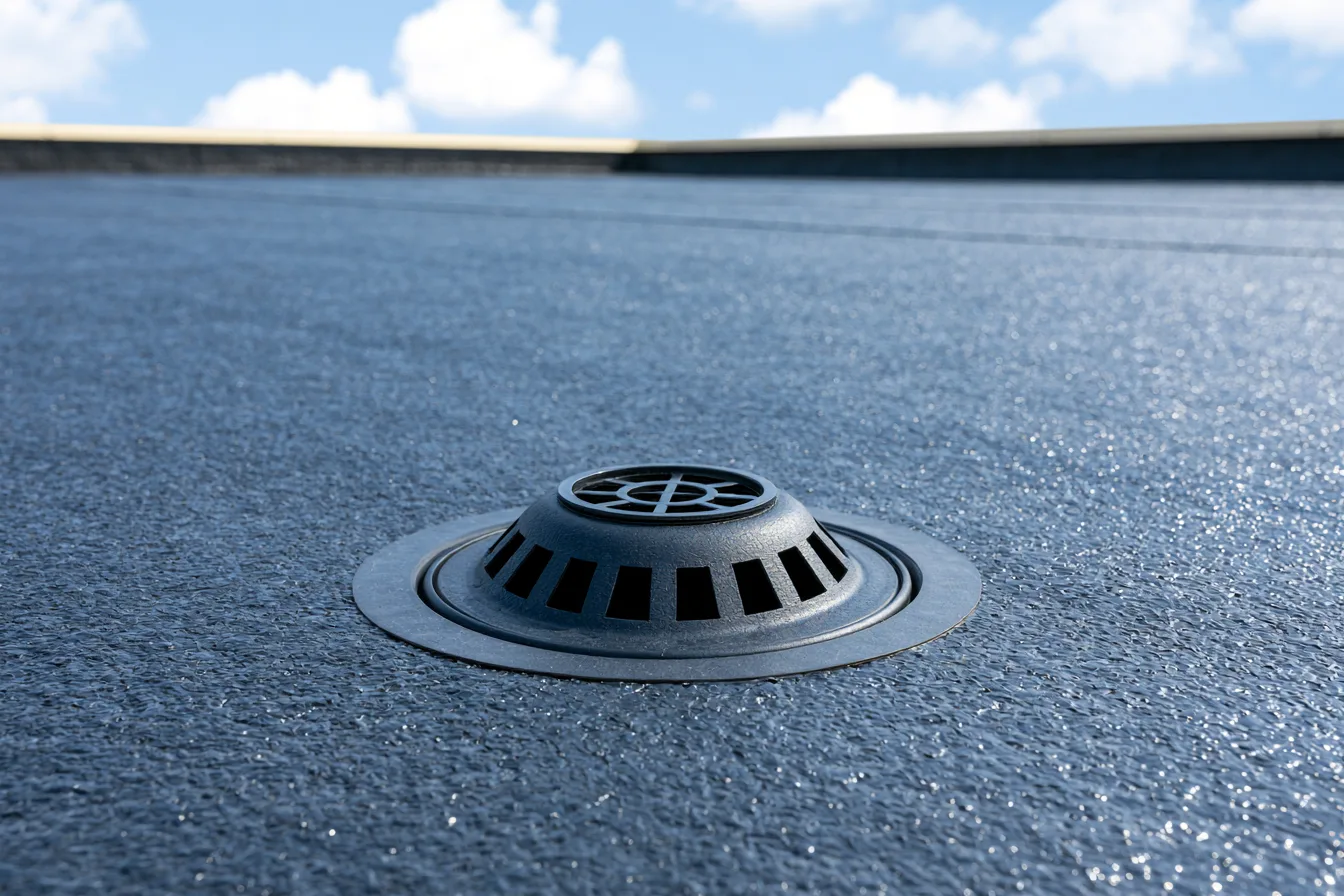
Flat roof repair
Trace drainage, wet insulation and recurring leaks before deciding how much roof needs work.
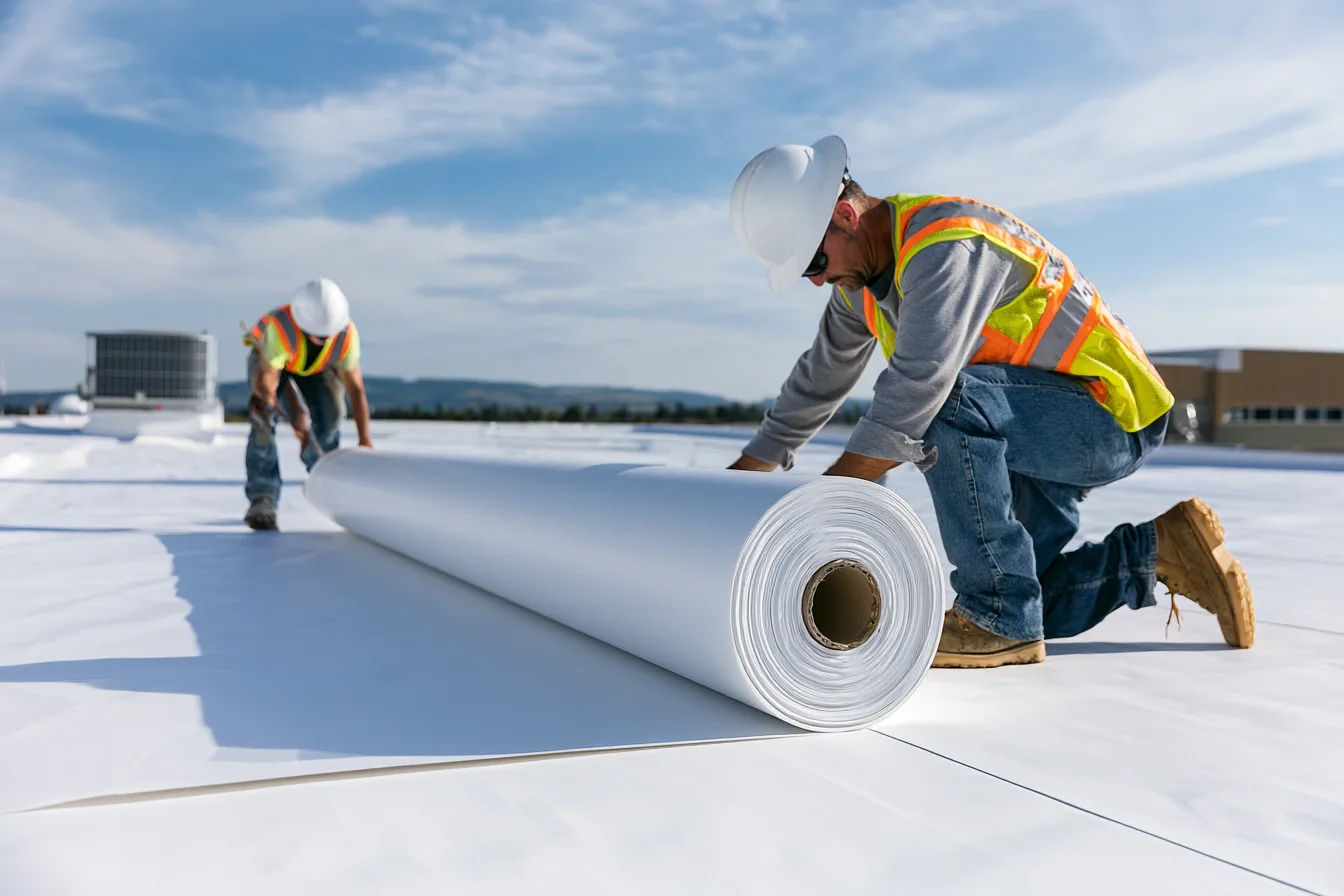
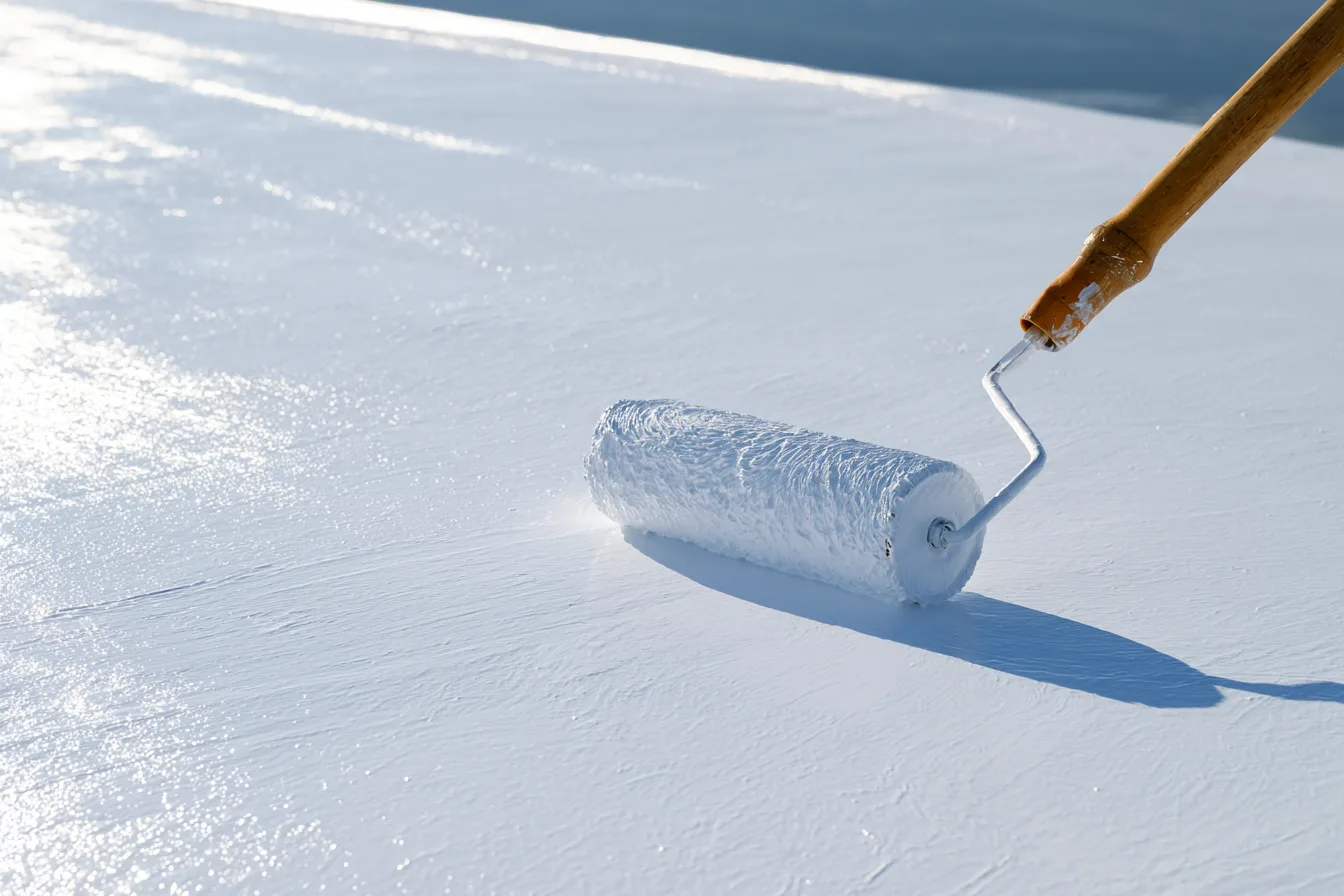
Roof coatings
Find out whether the existing roof is dry, sound and suitable for restoration.
Roofing access, tenants and building operations
A roof can be technically suitable for a system and still need careful planning around the building below it. Discuss roof access, material staging, waste removal and the occupied areas before a schedule is agreed.
The plan should identify who coordinates with tenants and other trades, how affected entrances will be managed and what work could interfere with equipment or business activity. Weather and concealed conditions can alter the sequence; make the communication arrangements part of the discussion.
Protect sensitive areas and equipment
Identify stock, electronics, workstations and other areas where water or construction activity would cause particular problems. Roof-mounted equipment and its service access also need to be considered.
Agree how changes will be handled
Know whom to contact about a changed work area or newly exposed roof condition. An occupied building needs clear coordination, not an assumed promise of uninterrupted operation.
How Pea Ridge commercial roof projects are planned
A measured scope should describe both the roof system and the work needed to install or repair it. These are the practical decisions between the first roof walk and the finished surface.
Establish the assembly and the extent of the problem
Identify the existing membrane and available roof records. Look at leak history, seams, penetrations, edges and drainage. Where retained layers may be wet or deteriorated, additional investigation can determine whether they are suitable to remain.
Prepare the roof for the chosen work
A repair starts at its failed detail; restoration needs a suitable prepared surface; replacement exposes layers being removed. If opening reveals damaged deck or insulation, establish the additional work before closing the roof. Replacement should be phased so the day’s opened area can be made weather-tight, including temporary seals at unfinished boundaries.
Complete the details and keep the project record
New work must meet retained roofing with a compatible, sound connection that keeps water out at the joint. Temporary stopping-point seals are removed or completed as the next area is installed. The finished membrane, seams, curbs, drains and perimeter then need to function together. Keep the final scope, changes and applicable care and product documents for future maintenance.
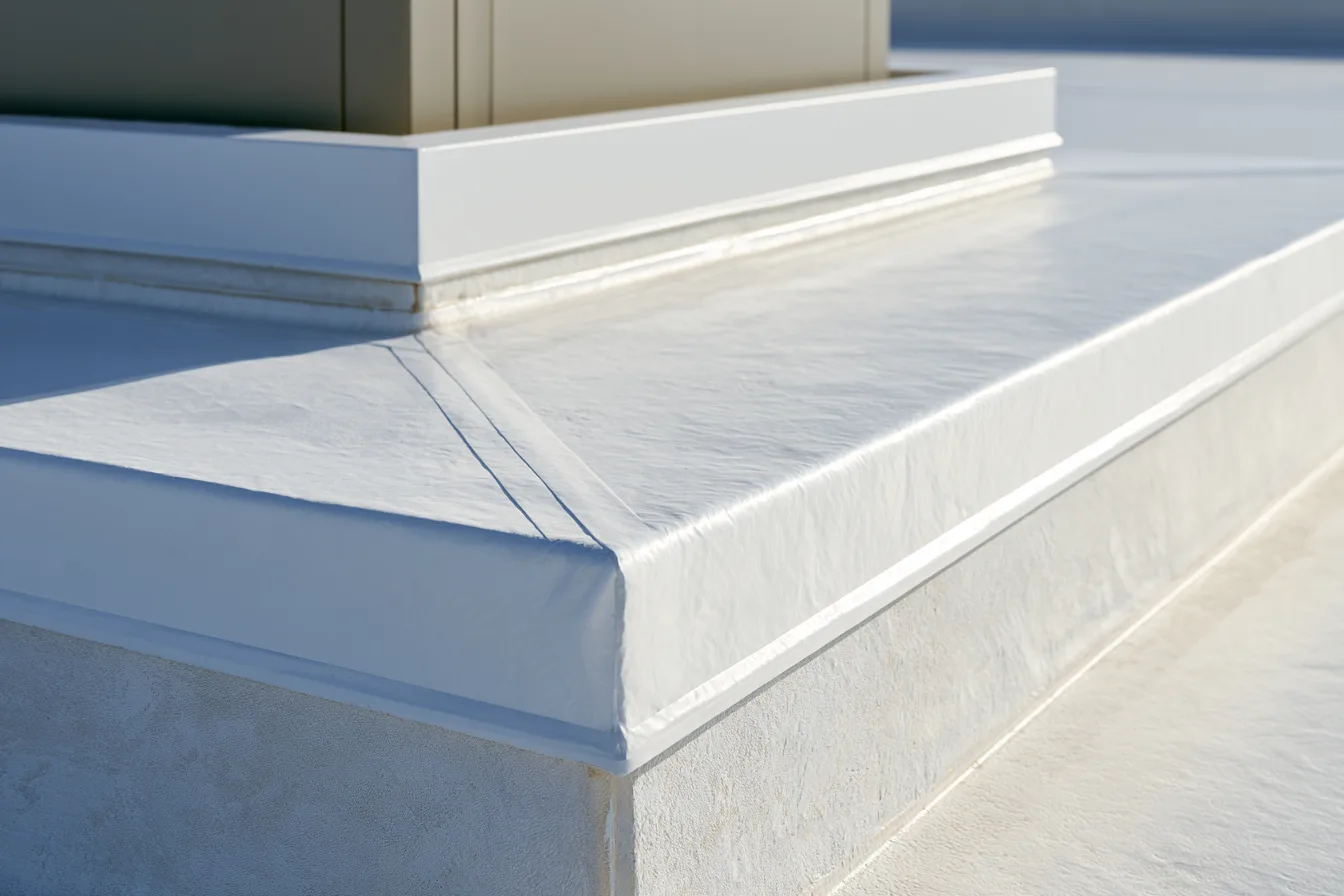
Commercial roof cost factors for Pea Ridge buildings
The membrane is only part of a commercial roof's cost. Removal, wet layers and the work around drains and equipment can change the project even when the roof area stays the same.
Removal and the layers below the membrane
Retaining a sound assembly can avoid some removal and replacement work. Wet insulation or deteriorated support changes that option. A quote should explain the known conditions and how additional repairs found during opening will be handled.
Details, drainage and installation
Many curbs, penetrations and changes of level create more work than an open rectangle of roof. The attachment method, insulation build-up, edge treatment and drainage work also change the materials and labor needed. Roof area alone does not describe these differences.
Access and the building schedule
Material handling, waste removal and the separation of construction from occupied areas influence the project. A single-storey building with open access and a constrained property with active loading areas need different arrangements. The price needs to reflect those access arrangements as well as the roof assembly.
Pea Ridge Commercial Roofing FAQs
Can a commercial roof be coated instead of replaced?
Sometimes, when its condition suits the specified coating. Wet insulation, unstable material or unresolved drainage can rule it out. The roof coatings page explains the qualification steps.
Do all flat-roof leaks come from the membrane field?
No. Seams, drains, curbs, penetrations and edge details also need attention. Water can travel within the assembly before appearing inside.
Will the building need to close?
That depends on the work, occupancy and safe separation of activities. Discuss entrances, customers, tenants and critical equipment before the schedule is set. No universal closure or zero-disruption promise fits every building.
How are commercial roofs priced?
Roof area is only the start. Access, attachment, insulation, deck repairs, rooftop equipment, drainage and required assembly performance affect the price. A measured building-specific scope is more useful than a generic per-square-foot number.
Arrange a commercial roof assessment in Pea Ridge
Include the roof type if known, the building use and the area affected. A free inspection can start the repair or replacement discussion.